
How gambling shapes social dynamics in modern society
The Rise of Gambling in Modern Culture
Gambling has become deeply ingrained in modern culture, reflecting societal values and attitudes toward risk and reward. With the proliferation of online platforms and mobile gaming, access to gambling has reached unprecedented levels. This accessibility has led to a normalization of gambling activities, where betting is no longer seen as a taboo but rather an everyday entertainment choice. In this context, exploring online pokies has become a popular pastime for many individuals.
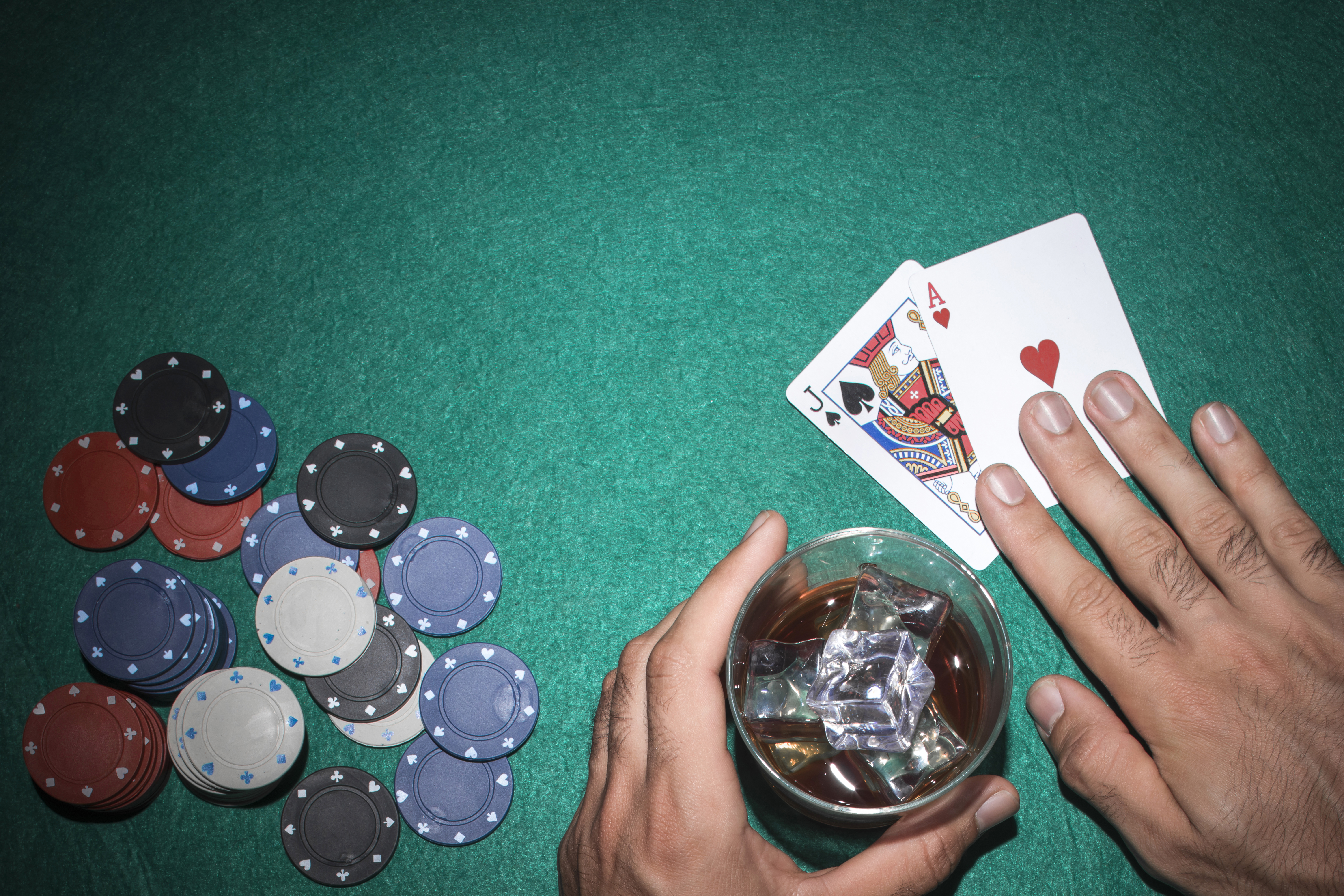
As gambling gains acceptance, it influences how individuals perceive luck and risk. The thrill of wagering not only adds excitement to leisure time but also alters social interactions. Friends and families may gather to engage in betting activities, further embedding gambling in the social fabric. Thus, gambling acts as a catalyst for communal experiences, altering traditional leisure activities.
Economic Implications of Gambling
The economic impact of gambling cannot be overlooked. Many regions have embraced casino establishments and online gaming as significant revenue sources, which can lead to job creation and local investment. However, this influx of capital often comes with a complex set of challenges, such as the potential for addiction and socio-economic disparities that may arise from gambling-related issues.
Moreover, the economic benefits of gambling often stimulate discussions about regulatory measures. Policymakers grapple with how to balance the positive economic contributions of gambling against the social costs. This ongoing dialogue shapes public perceptions and influences future legislation, which in turn affects community dynamics and social policies.
The Psychological Effects of Gambling
Gambling can have profound psychological effects on individuals and communities. The rush associated with winning can lead to patterns of addictive behavior, complicating personal relationships and social standing. As individuals chase the high of victory, they may neglect responsibilities or alienate loved ones, thereby fracturing social ties.
Conversely, gambling can also foster a sense of community among players. For many, shared experiences in gaming environments create bonds that can transcend individual differences. However, the duality of gambling’s impact—both positive and negative—emphasizes the need for supportive structures that promote responsible gaming and mental health awareness.
Gambling and Social Stratification
The relationship between gambling and social stratification is complex and multifaceted. While gambling can provide financial opportunities for some, it can also exacerbate inequalities, particularly among vulnerable populations. Economic disparities often dictate access to gambling resources, which can reinforce existing social hierarchies.
Furthermore, the stigma surrounding gambling addiction can deter individuals from seeking help, leading to a cycle of poverty and isolation. Understanding how gambling intersects with issues of class, race, and gender is crucial in addressing its broader social implications and fostering inclusive support systems within communities.

Resources for Responsible Gambling
To navigate the complexities of gambling in modern society, individuals can access various resources that promote responsible gaming. These resources aim to educate players about the risks involved and provide tools for managing their gambling behavior. Awareness campaigns often highlight the importance of understanding one’s limits and recognizing when gambling may become problematic.
Websites dedicated to responsible gambling offer valuable information, including tips on how to play safely and where to seek help. They serve as a crucial platform for fostering a culture of accountability and support within the gambling community, ensuring that the social dynamics shaped by gambling can be positive and empowering.
